





Key takeaways:
- Pennsylvania workers’ comp may cover occupational diseases beyond cancer.
- Heart and lung conditions may qualify when linked to first responder duties.
- Medical evidence is key to proving work-related occupational illness.
- PTSD is treated as a mental work injury under Pennsylvania law.
- Act 121 eased the standard for qualifying first responder PTSI claims.
When people think of occupational disease protections for firefighters and other first responders, cancer presumption laws tend to get most of the attention — and for good reason, given how strongly firefighting has been linked to elevated cancer risk. But ask any Philly work comp attorney, and they will readily tell you that unfortunately, cancer isn’t the only occupational disease Pennsylvania first responders face, and it isn’t the only one that can be covered under workers’ compensation.
Heart conditions, lung disease, and other illnesses tied directly to the hazards of the job can also qualify for benefits, and so can Post-Traumatic Stress Syndrome or PTSD. Understanding the broader landscape of occupational disease and PTSD coverage matters just as much as understanding cancer-specific protections.
Can occupational diseases be covered by workers’ comp?
Yes. Pennsylvania’s Workers’ Compensation Act recognizes a range of occupational diseases beyond cancer, particularly for firefighters and similarly situated first responders. These typically include:
- Heart and cardiovascular conditions. Certain heart disease diagnoses in firefighters can be treated as occupational diseases, given the well-documented link between firefighting duties (physical exertion, heat exposure, smoke inhalation) and cardiovascular strain.
- Lung and respiratory diseases. Conditions tied to smoke inhalation, chemical exposure, and airborne particulates on the job — including certain chronic respiratory illnesses — can qualify as occupational diseases when the connection to firefighting duties is established.
- Other exposure-related conditions. Depending on the specific illness and the evidence available, additional conditions linked to hazardous exposures on the job may also be eligible for coverage.
For a condition to be treated as an occupational disease rather than requiring proof under the general workers’ comp framework, it generally needs to fall within a category recognized by statute or case law, and the claimant typically needs medical evidence connecting the condition to the specific hazards of first responder work. This is different from a traumatic injury claim, where the connection to a single incident is more straightforward to establish.
Because eligibility criteria, evidentiary requirements, and applicable timeframes vary by condition, first responders dealing with a heart, lung, or other occupational illness diagnosis often find the claims process more complicated than they expect — particularly if the employer or insurer disputes the connection between the illness and the job. PTSD, on the other hand, is handled under workers’ compensation law as a mental occupational injury rather than a traditional physical occupational disease.
What occupation has the highest PTSD rate?
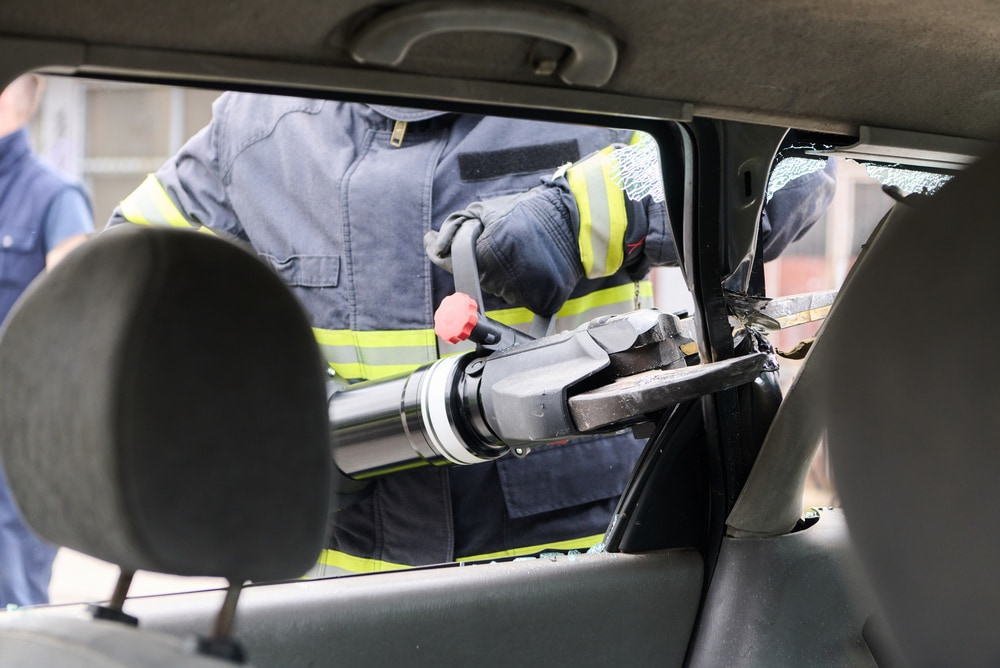
First responders — particularly firefighters, police officers, and paramedics — consistently show among the highest rates of PTSD of any occupational group. The nature of the work means repeated exposure to traumatic scenes: fatal accidents, violent crimes, fires with loss of life, and medical emergencies involving children. Over the course of a career, this cumulative exposure takes a toll that’s measurably different from the general population’s PTSD risk.
This matters in the occupational disease conversation because PTSD is increasingly recognized alongside physical conditions like heart and lung disease as a legitimate, work-connected injury for first responders — not a separate, lesser category of harm. While the eligibility framework for PTSD and related psychological injuries differs from that of physical occupational diseases, both reflect the same underlying reality: certain professions carry health risks that ordinary workers’ compensation law wasn’t originally built to fully address, and Pennsylvania’s evolving statutes have worked to close that gap. Such claims are less likely to be denied as the previous burden of proving abnormal working conditions has been removed.
Ready to talk to a Philly work comp attorney about your occupational disease claim?
Philadelphia may be home to the historic Eastern State Penitentiary, but it is also home to thousands of dedicated first responders who may need legal assistance to pursue fair compensation for what they suspect is an occupational disease. If you’re a Pennsylvania first responder facing a heart condition, lung disease, or another illness you believe is connected to your years of service, don’t assume you’re only covered if it’s cancer.
An experienced workers’ compensation attorney can evaluate your diagnosis, determine which occupational disease provisions may apply, and help you build a claim backed by strong medical evidence. Contact a Pennsylvania work comp lawyer today for a free consultation and find out what protections may be available to you.