Every year, a large number of workers in Pennsylvania sustain some form of work-related injury or illness. Although the majority of these injuries are non-lethal, that doesn’t mean they can’t come to dictate the course of a person’s future.
As a banal example, let’s say that a workplace incident resulted in the loss of a limb. Even if the person’s workplace amputation lawyer in Philadelphia, PA helps them secure the maximum possible compensation, the said person’s life will never be the same again.
The fact is, even with the ongoing efforts to improve workplace safety, injuries remain a (too) common occurrence. The question is: to what extent? To answer this question, we’ll take a deep look at work comp cases in Pennsylvania through the prism of statistical data.
What are the most recent statistics on workplace injuries in Philadelphia & PA?
The extent of the impact of personal injuries can be roughly extrapolated from three main statistics: incidence rates, settlement values, and work comp lawyers’ fees.
What is the incidence of occupational injuries?
In 2021, Pennsylvania reported a substantial number of workplace injuries, with a total of 161,592 incidents. Not all of these cases ended up requiring legal intervention, but a significant portion did involve some level of legal proceedings.
Specifically, about 22% of these incidents (approximately 35,599 cases) were serious enough to be brought before Workers’ Compensation Judges in Pennsylvania, suggesting a relatively high level of disputes or complexity in these cases,
According to the Bureau of Labor Statistics, in 2022, Philadelphia saw a significant number of workplace injuries. Statewide, there were 123,400 nonfatal workplace injuries and illnesses reported, with an incidence rate of 2.9 cases per 100 full-time equivalent workers, reflecting a persistent challenge in occupational health despite advances in workplace safety protocols.
What are the most common injuries in the workplace?
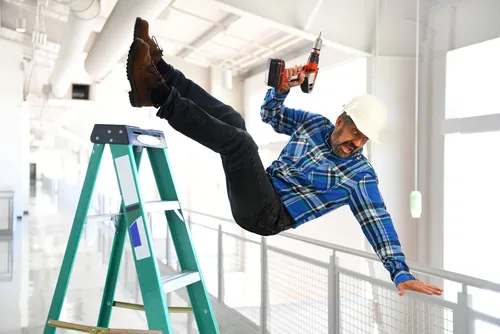
The most common cause of non-fatal injuries that resulted in days missed from work across the United States was slips, trips, and falls, accounting for 18% of such injuries. This type of accident underscores the ongoing need for improved workplace safety measures and training.
How much are most personal injury settlements?
When it comes to settlements for work-related injuries, the compensation value can vary widely depending on the severity and nature of the injury. For example, amputations are among the most costly injuries, averaging $118,837 per case. Other significant injuries include fractures or dislocations, which average around $60,934, and other forms of trauma at a similar cost level.
This data illustrates the critical importance of robust workplace safety standards and comprehensive employee training to mitigate these risks. Despite the ongoing efforts to enhance worker safety, the consistent injury rates suggest that there is still considerable room for improvement in the systems meant to protect workers.
How much does it cost to hire a lawyer in Pennsylvania?
Regarding the legal representation in workers’ compensation claims, it is quite common for injured workers to seek legal help, particularly when the cases involve serious injuries or disputes over benefits. Workers’ compensation attorneys in Pennsylvania typically handle these cases on a contingency fee basis, charging around 20% of any settlement or award. This arrangement means that the lawyers only get paid if they win the case, which can make legal representation accessible to injured workers who might otherwise be unable to afford it.
This system ensures that workers have the opportunity to obtain fair representation without the need for upfront payment, thus aligning the interests of the attorney with the outcomes of the worker’s claim. It also reflects the complexities and challenges within the workers’ compensation system, where professional legal assistance can significantly influence the resolution of a claim.
Where to find a dependable workplace amputation lawyer near me in Philadelphia, PA?
Liberty Bell is your prime destination for all-encompassing legal aid regarding workers’ compensation in the larger Philadelphia Metro area. Our team consists of experienced specialists with an impressive track record of success, whose joint efforts resulted in over $1 billion in recovered benefits for our clients.
Today, our combined legal prowess, personalized attention, and fierce advocacy are at your disposal, ready to help you make the best of a challenging situation. Reach out to us today, schedule your FREE consultation, and let us guide your case to the most satisfying conclusion.