





Key takeaways:
- Sprains and strains are among the most common work injuries in Pennsylvania.
- Overexertion often causes lifting, pushing, and pulling injuries.
- Healthcare, warehouse, manufacturing, and construction jobs carry high risks.
- Workers in Pennsylvania should report injuries as soon as possible.
- Waiting over 120 days may put workers’ comp benefits at risk.
Workplace injuries can happen in almost any profession, from construction and manufacturing to healthcare, retail, transportation, and office work. Some injuries are sudden and obvious, such as a fall from a ladder or a cut from equipment. Others develop gradually after repeated lifting, bending, typing, twisting, or long hours on your feet. In Pennsylvania, workers’ compensation exists to help employees who are injured or become ill because of their job duties. The system may provide medical benefits, wage-loss benefits, and other support when a covered worker cannot return to work because of a job-related injury or illness.
Still, many workers wait too long to report an injury because they think the pain will go away, they are worried about upsetting their employer, or they are unsure whether the injury is serious enough to count. Knowing which injuries commonly lead to claims, which jobs carry higher risks, and when to call a reputable workers’ comp attorney in PA can help protect your right to benefits.
What is the most common form of injury in the workplace in PA?
One of the most common types of workplace injuries in Pennsylvania is a strain or sprain. According to reporting on Pennsylvania’s 2024 Workers’ Compensation Annual Report, strain and sprain injuries accounted for 35% of total reported cases, making them the most common injury type. Overexertion, such as lifting, pushing, pulling, or carrying, was also identified as the leading cause of injury.
These injuries may sound minor, but they can be painful, limiting, and difficult to recover from. A back strain, torn ligament, shoulder injury, knee sprain, or neck injury can keep a worker from lifting, walking, standing, driving, or performing routine job duties. In some cases, a strain or sprain can require physical therapy, medication, work restrictions, injections, or even surgery.
Common workplace injuries that may lead to workers’ compensation claims include:
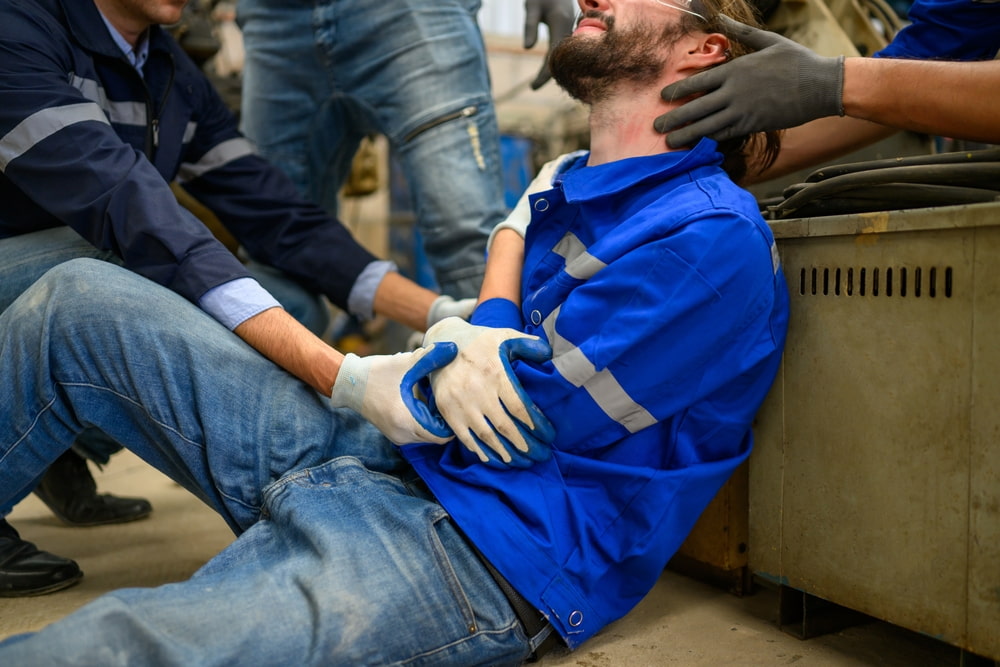
- Sprains and strains: Often caused by lifting, twisting, pushing, pulling, or repetitive movement.
- Back and neck injuries: Common in jobs involving lifting, bending, driving, or physical labor.
- Slip-and-fall injuries: May happen on wet floors, stairs, uneven surfaces, parking lots, or job sites.
- Cuts and lacerations: Often caused by tools, machinery, sharp materials, or broken objects.
- Contusions and bruising: Can result from being struck by objects, equipment, doors, carts, or falling materials.
- Fractures: May happen after falls, crush injuries, vehicle accidents, or machinery incidents.
- Repetitive stress injuries: Can develop from typing, gripping, scanning, assembly work, or repeated hand and arm movements.
- Burns: May involve heat, chemicals, steam, electricity, or workplace equipment.
- Head injuries: Can result from falls, falling objects, vehicle crashes, or being struck at work.
- Occupational illnesses: May be caused by exposure to chemicals, dust, mold, fumes, infectious risks, or other workplace hazards.
What profession has the highest injury rate in Pennsylvania?
The highest-risk profession or industry can vary depending on whether the data is measured by the number of claims, injury rate, or severity. However, certain Pennsylvania industries consistently carry higher injury risks because the work is physically demanding, fast-paced, or performed around equipment, patients, vehicles, tools, or hazardous conditions.
In practical terms, many claims come from professions such as:
- Healthcare workers: Nurses, aides, hospital staff, and caregivers may suffer lifting injuries, back injuries, falls, exposure-related illness, and injuries caused by patient handling.
- Warehouse and transportation workers: Drivers, loaders, forklift operators, delivery workers, and stock handlers face risks from lifting, vehicle accidents, loading docks, equipment, and repetitive motion.
- Manufacturing employees: Factory and production workers may be injured by machinery, tools, repetitive movement, heavy materials, noise, and chemical exposure.
- Construction workers: These employees face risks from falls, ladders, scaffolding, tools, heavy equipment, electrical hazards, and falling objects.
- Retail, grocery, and hospitality workers: These jobs often involve standing, stocking, carrying, fast movement, spills, burns, slips, and customer-facing risks.
When must workplace injuries be reported in PA?
In Pennsylvania, workers should report workplace injuries as soon as possible. Waiting can create problems, especially if the employer or insurance company later questions when, where, or how the injury happened.
The Pennsylvania Department of Labor & Industry states that employees must give notice within 21 days of the injury to receive retroactive benefits, unless the employer already knew about the injury. Notice given more than 120 days from the date of injury may result in the loss of workers’ compensation unless the employer already knew about the injury.
This means injured workers should not wait to see whether symptoms disappear. Even if the injury seems minor at first, it is usually better to report it promptly and document what happened. Some injuries, especially back injuries, neck injuries, repetitive stress injuries, and head injuries, may worsen after the workday ends.
When reporting an injury, the employee should try to include:
- When the injury happened
- Where it happened
- What job task was being performed
- What body parts were injured
- Whether anyone witnessed the incident
- Whether symptoms started immediately or developed later
- Whether medical care was needed
How can I hire the leading workers’ comp attorney in PA?
Whether you’re looking for an assertive legal representative in the Philadelphia metropolitan area or anywhere else in Pennsylvania, Liberty Bell has a reputation for being a team of work comp specialists that insurers don’t like to face. We’ve helped thousands of working people fight for their lawful benefits in cases of workplace trauma.
From focusing on maximum compensation for workplace illnesses and avoiding classic mistakes that lead to denied or delayed claims to de-stressing you and providing support throughout the process, we’re here to make sure you take the right steps to protect your health, income, and future.
Get in touch with us to arrange a FREE consultation, and we’ll move quickly and start working on your claim right away! Time is precious, call us now!